
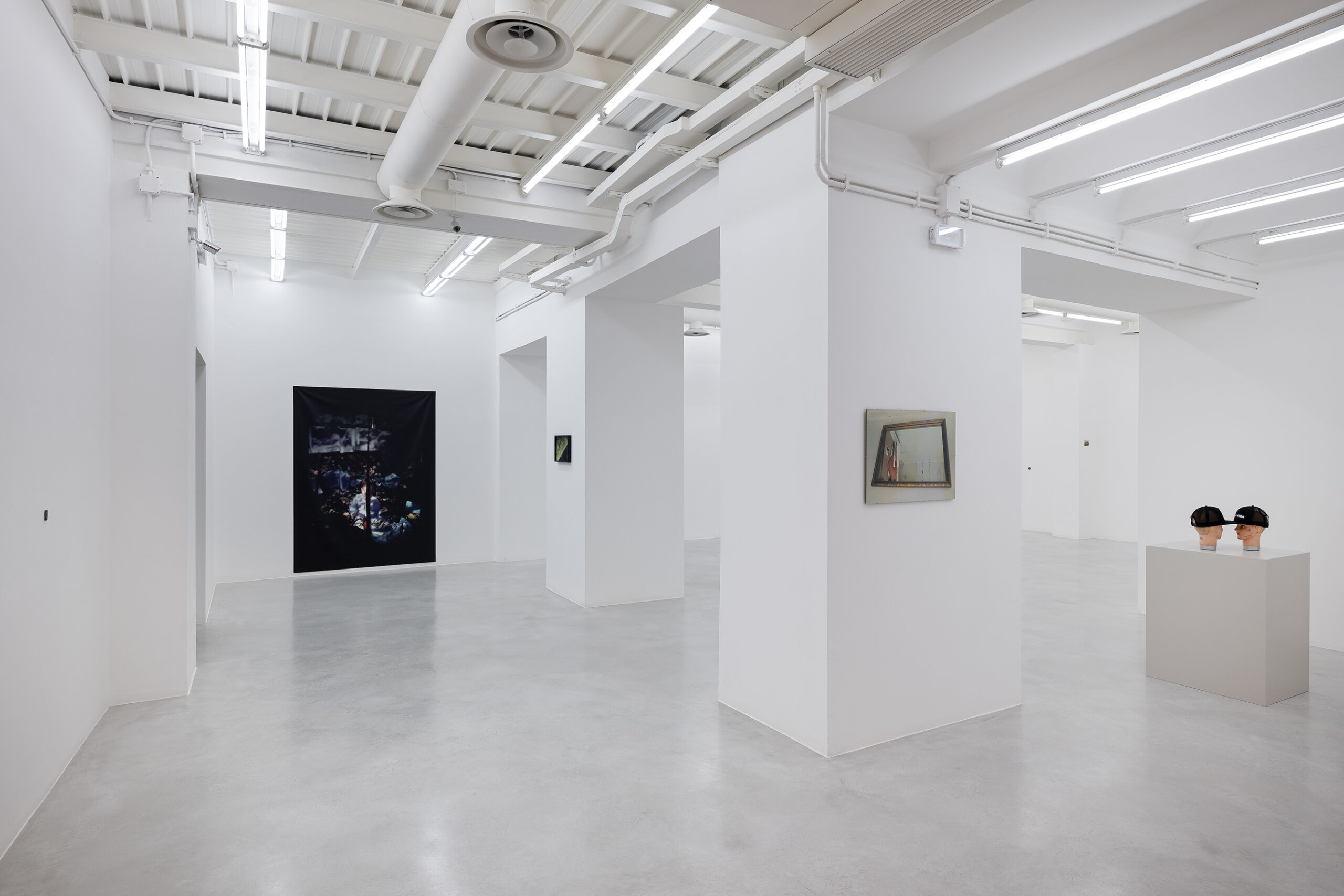
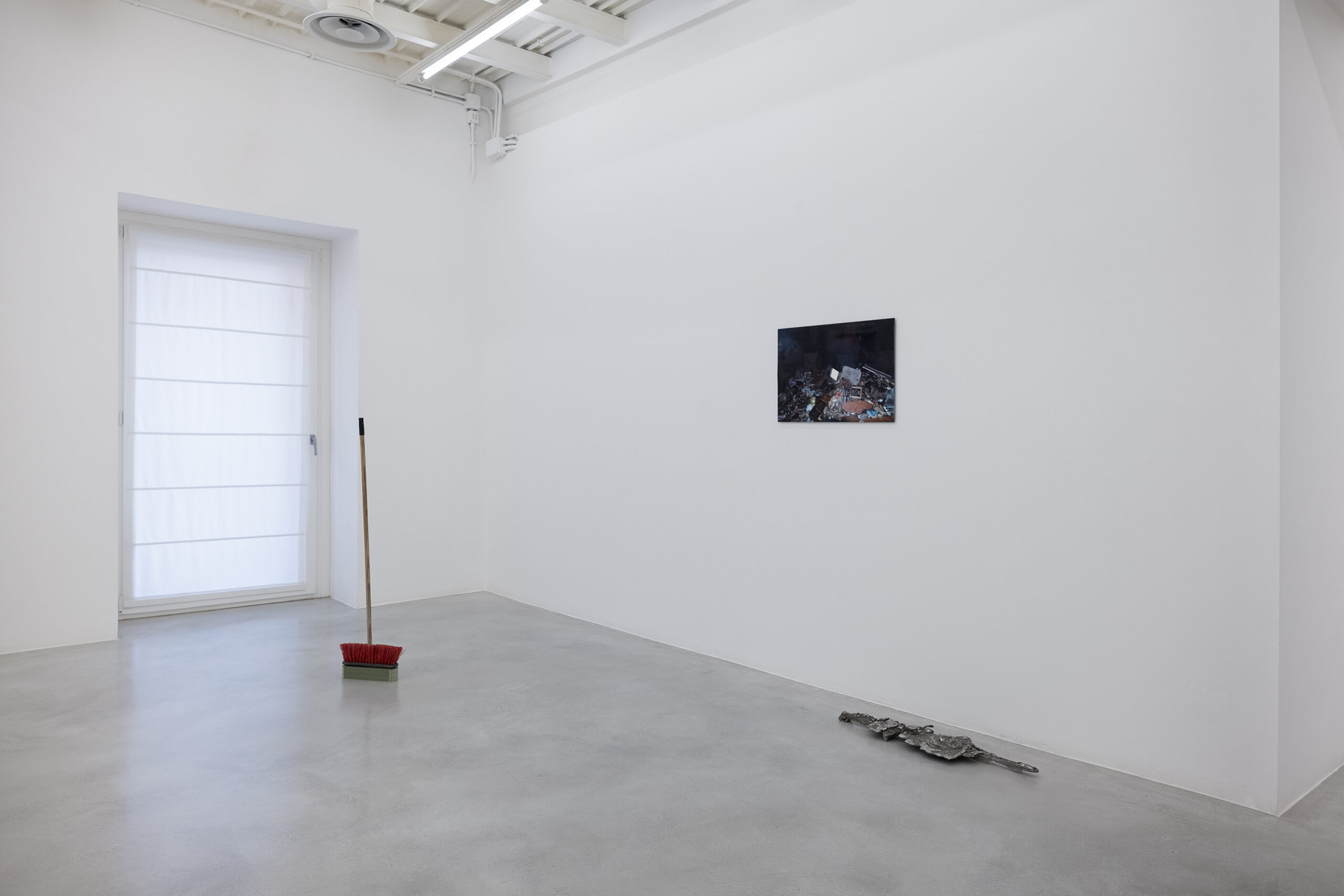
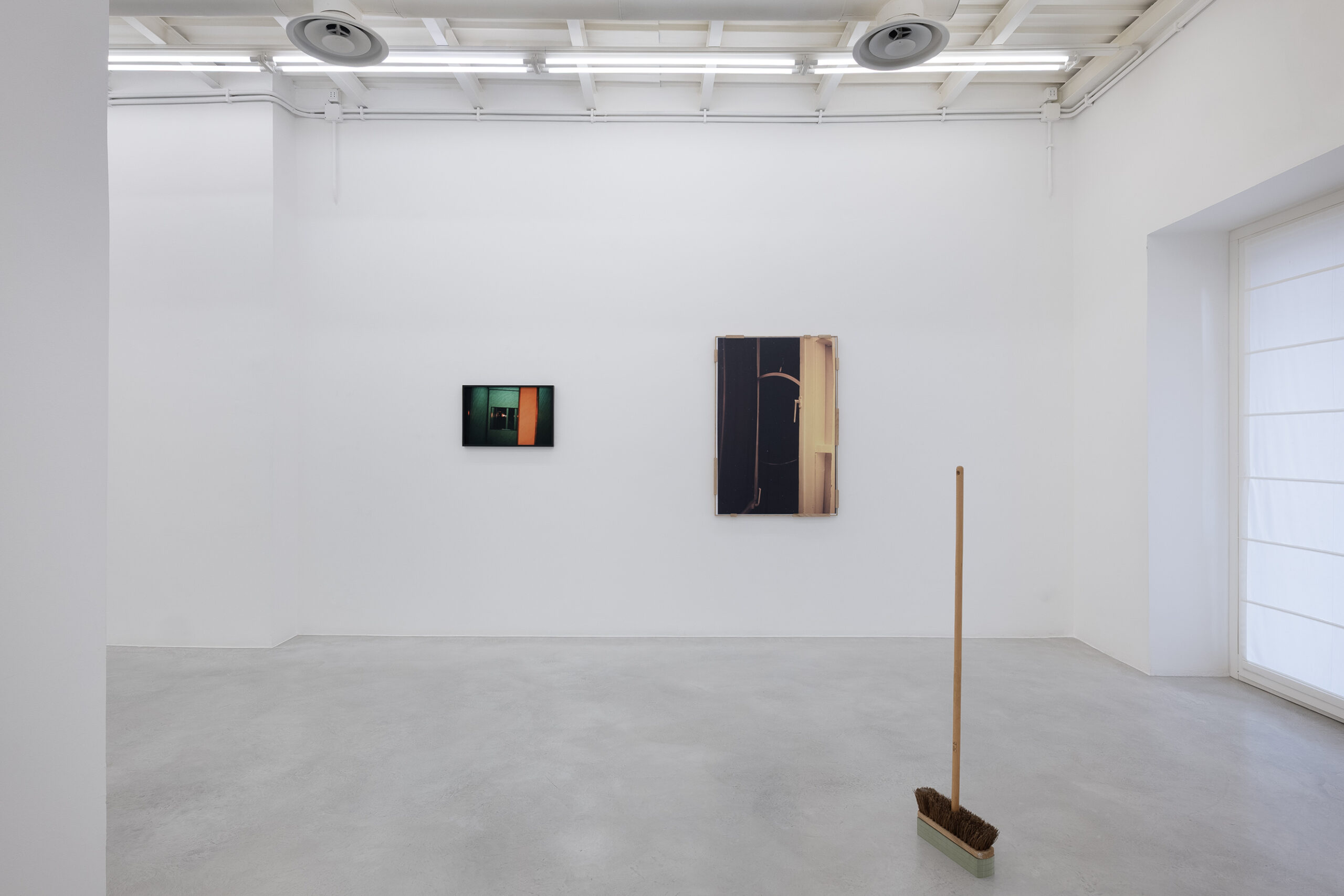
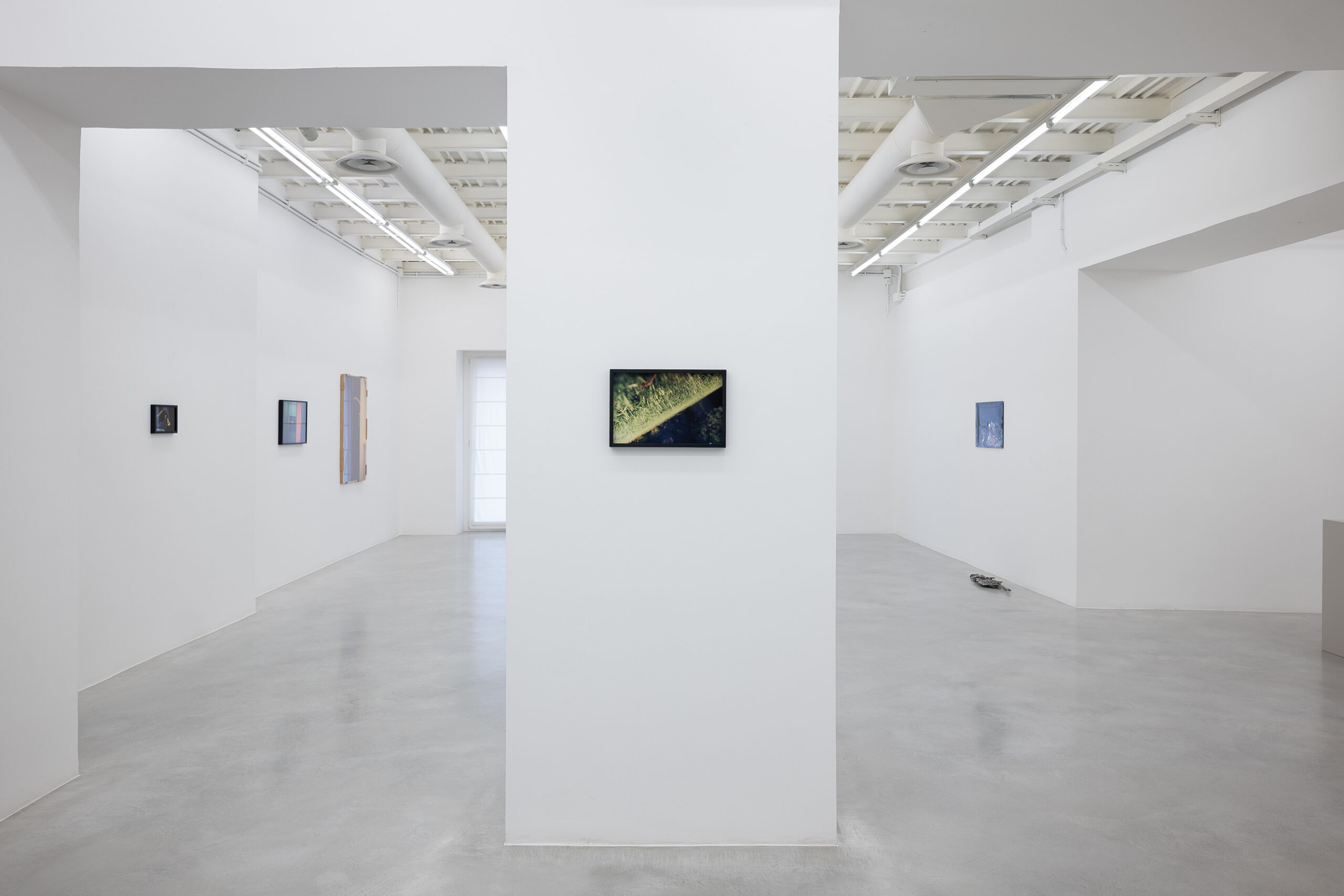
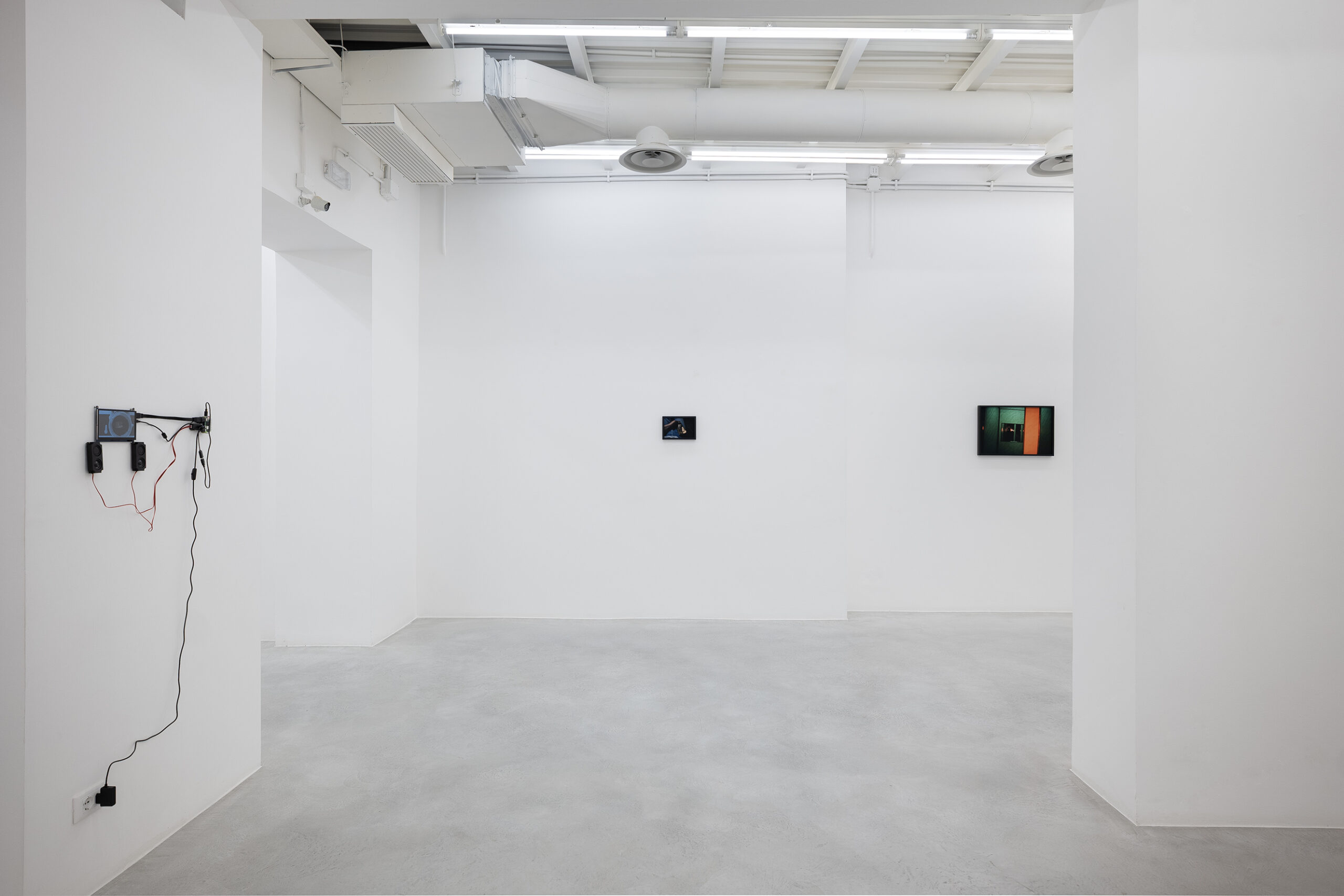
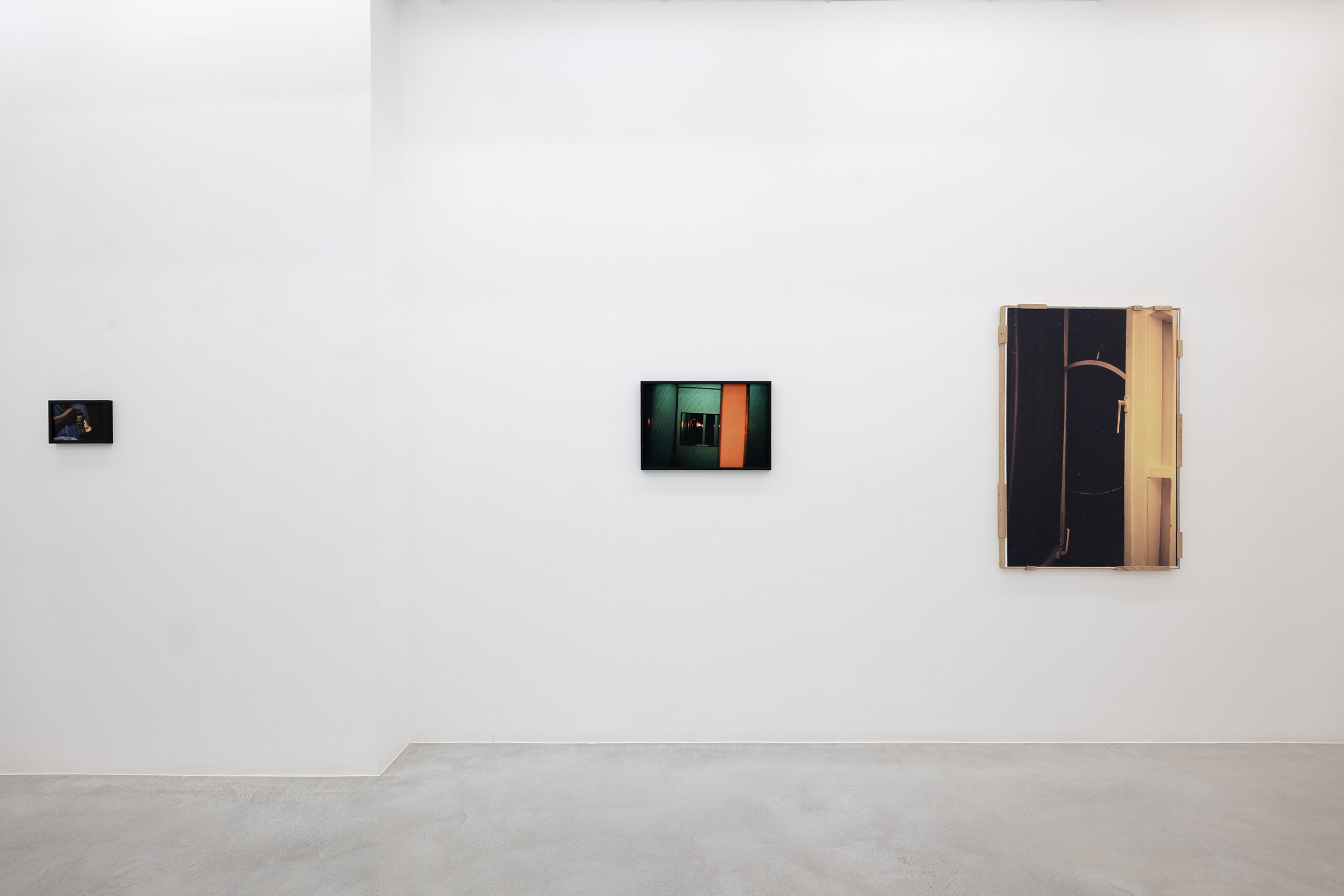
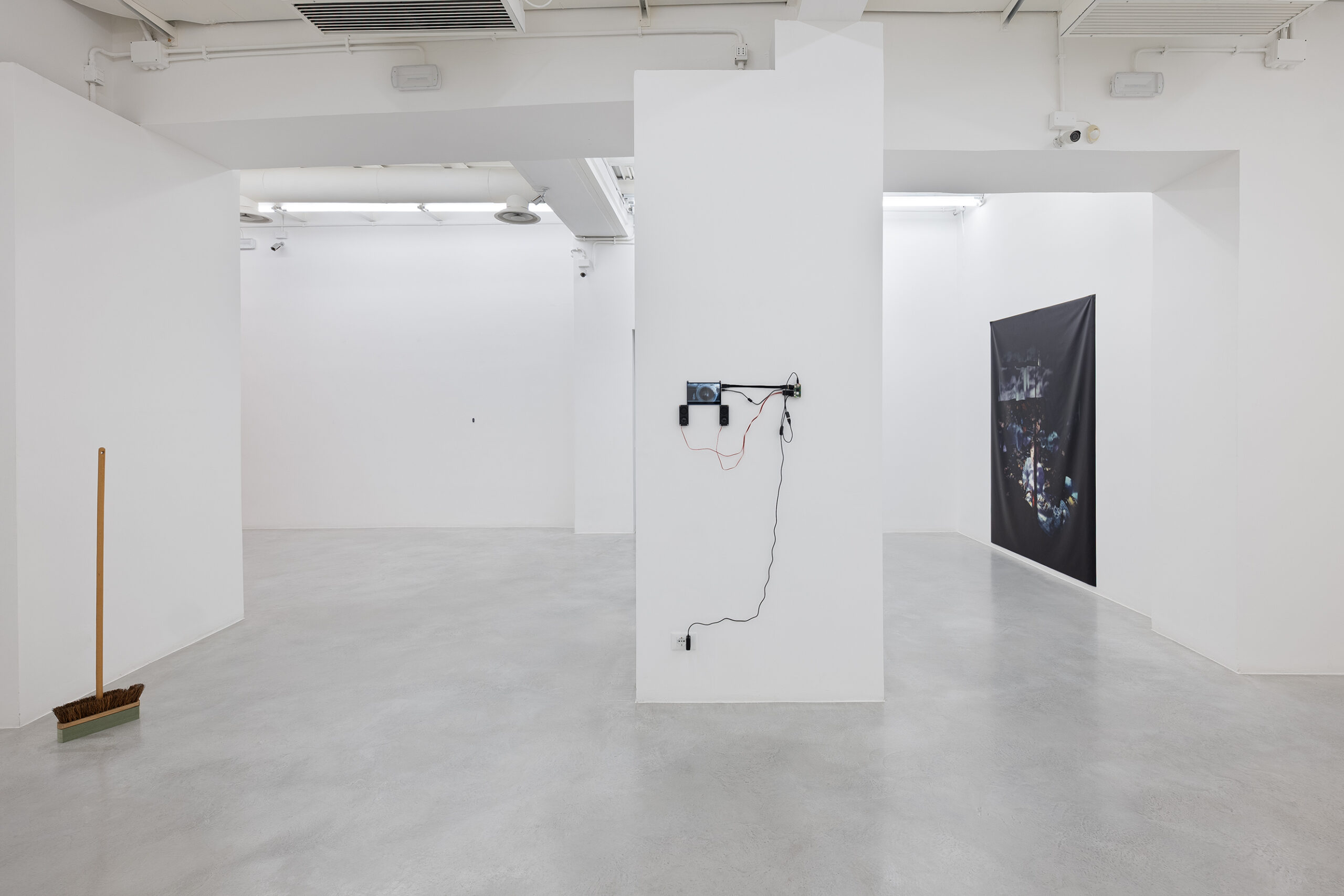
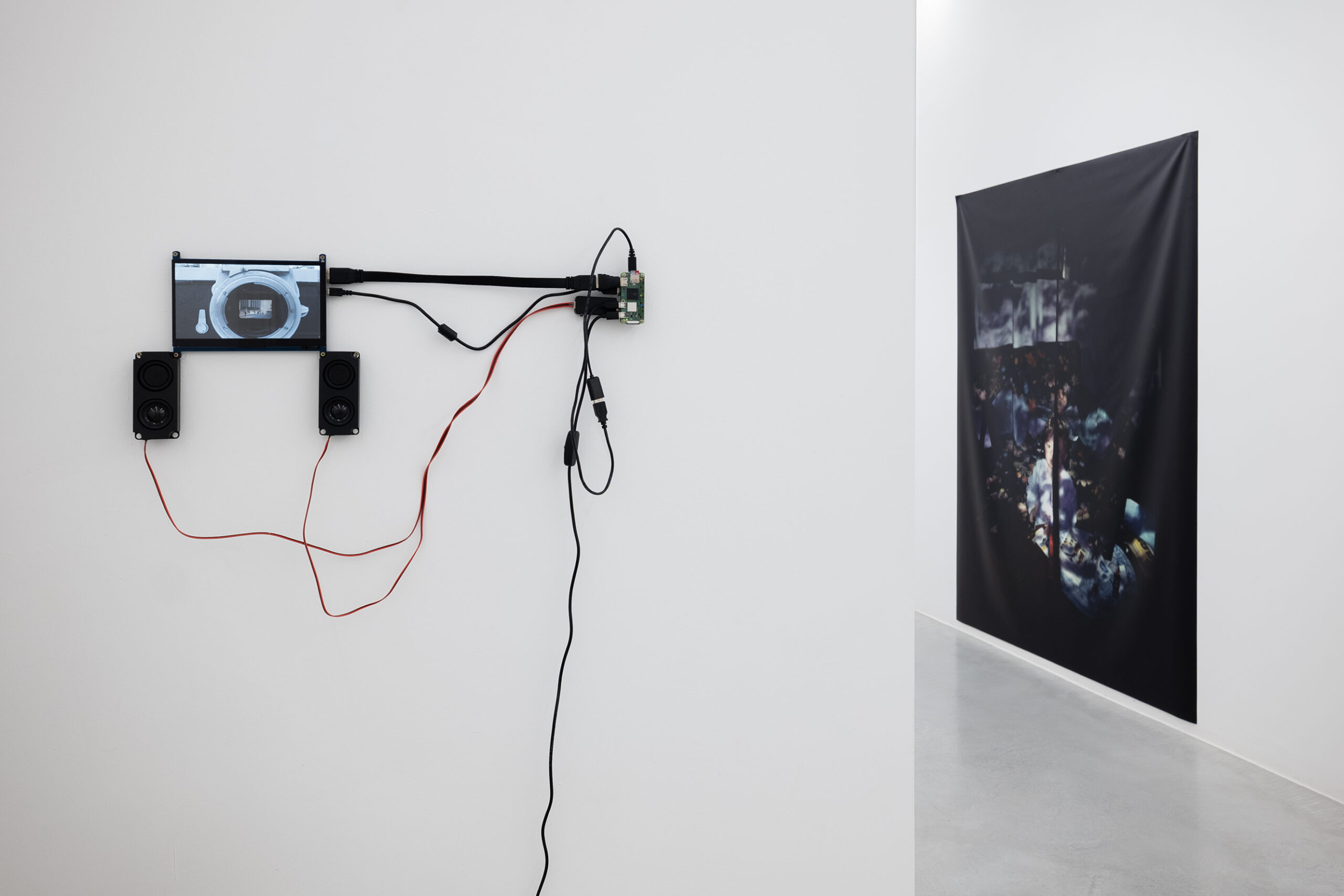
reflex.
Adriano La Licata
text by Littleton Odom
The poet dissolves part of himself into the darkness of fertile soil, imagining. A new genesis. Something between oracle and magician, what is illusion, what is contact to other realms? Is there more than glimpses through keyholes or are these little view finders enough to go on? Sometimes a small reflection of light is enough to keep moving through the dark. In reflex. La Licata once again faces the mirror and invites us to do the same. Looking at yourself, a blankness forms at the edges.
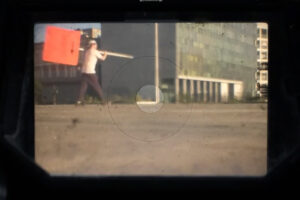
In a sense, reflex. moves along the boundary between automatism and consciousness. Between a thing and its name. Between an image and what it represents, there is always a small distance. The photographic shutter already contains this paradox. In order to see, the image must first be redirected. The mirror inside the camera body allows the gaze to pass through the lens, but at the moment of exposure it lifts and temporarily interrupts that same vision. For the image to be recorded, the viewer must stop seeing for a fraction of a second. Reflection thus becomes a threshold. Inside and outside are no longer opposing terms, but two directions of the same movement. There is a minimal, almost imperceptible interval in which gesture, technique, and instinct seem to coincide. Photography thus shifts from documentation to metaphor. To focus, impress, expose, invert, develop, reflect: technical terms that can also be read as psychological actions. To reflect means to return an image, but also to think. Exposure belongs to light as much as it does to the body. Perhaps dream also enters the same territory: the moment when control loosens, associations become less linear, and what normally remains separate can move closer together. This proximity, but also this distance, becomes a field of research.
Physicist David Bohm gave a name to these levels of reality. He called the first the explicate order: the world we perceive every day. Distinct objects, separate bodies, space, time. Things “unfolded”, one beside another. He called the second the implicate order: the underlying reality, where everything is “folded” together, intertwined within a single, boundless totality. Bohm argued that what we see as separate is the implicate order unfolding moment by moment before us. Existence continually being perpetuated, from instant to instant, with understanding emerging in layers, or by accident, over the centuries or in an instant, completely unexpectedly. Zen Buddhists refer to the embodiment of this realization as «the gateless gate».
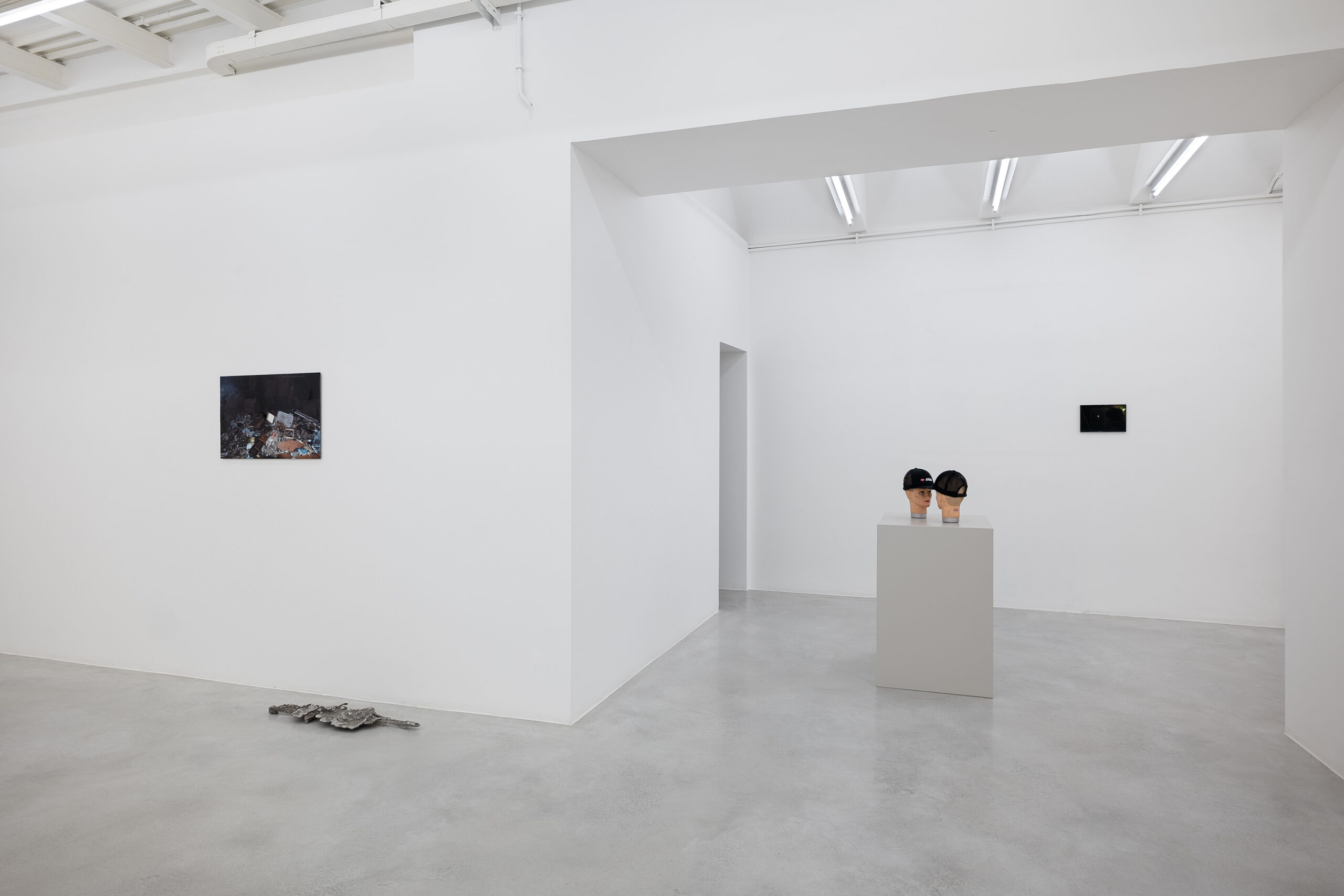
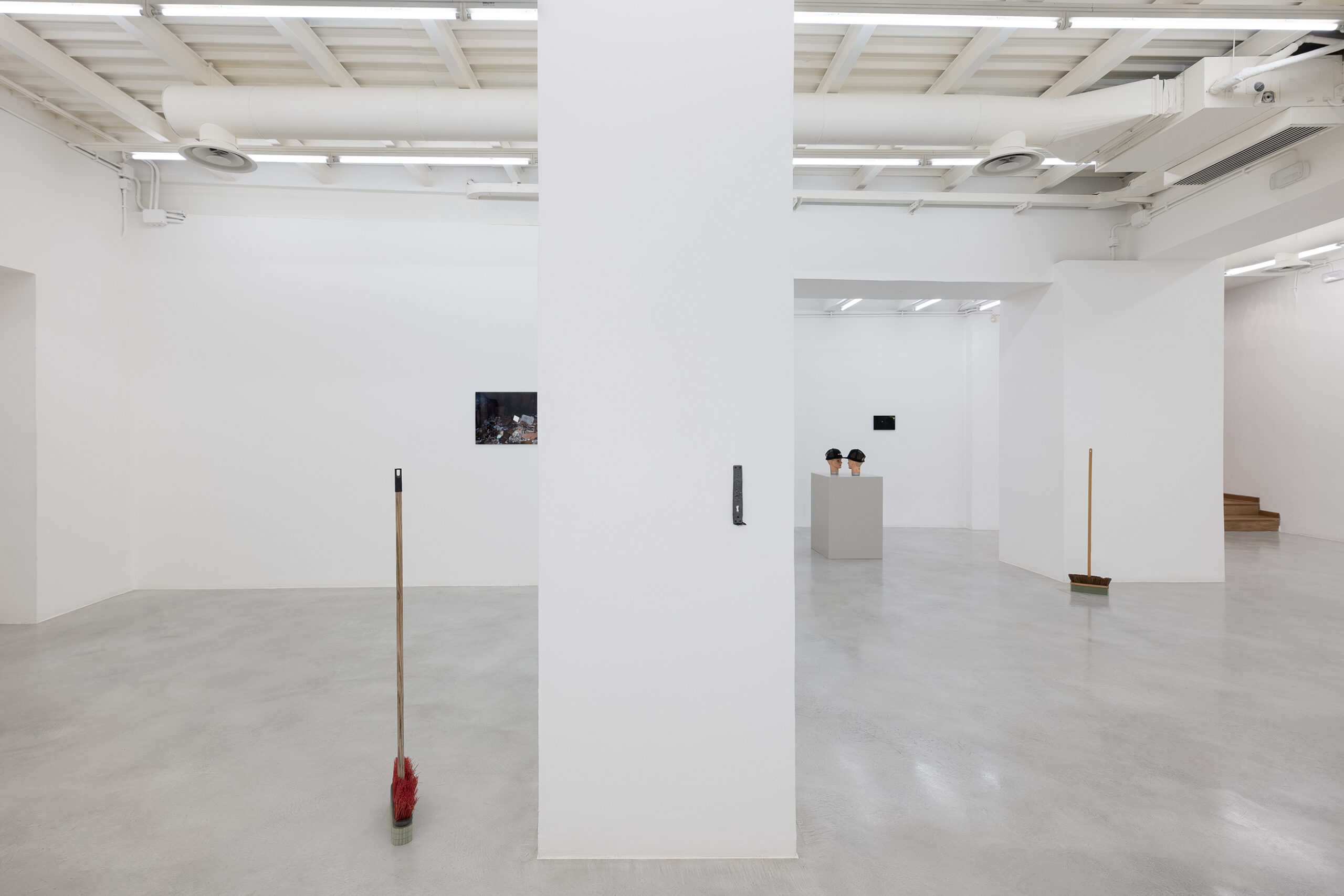
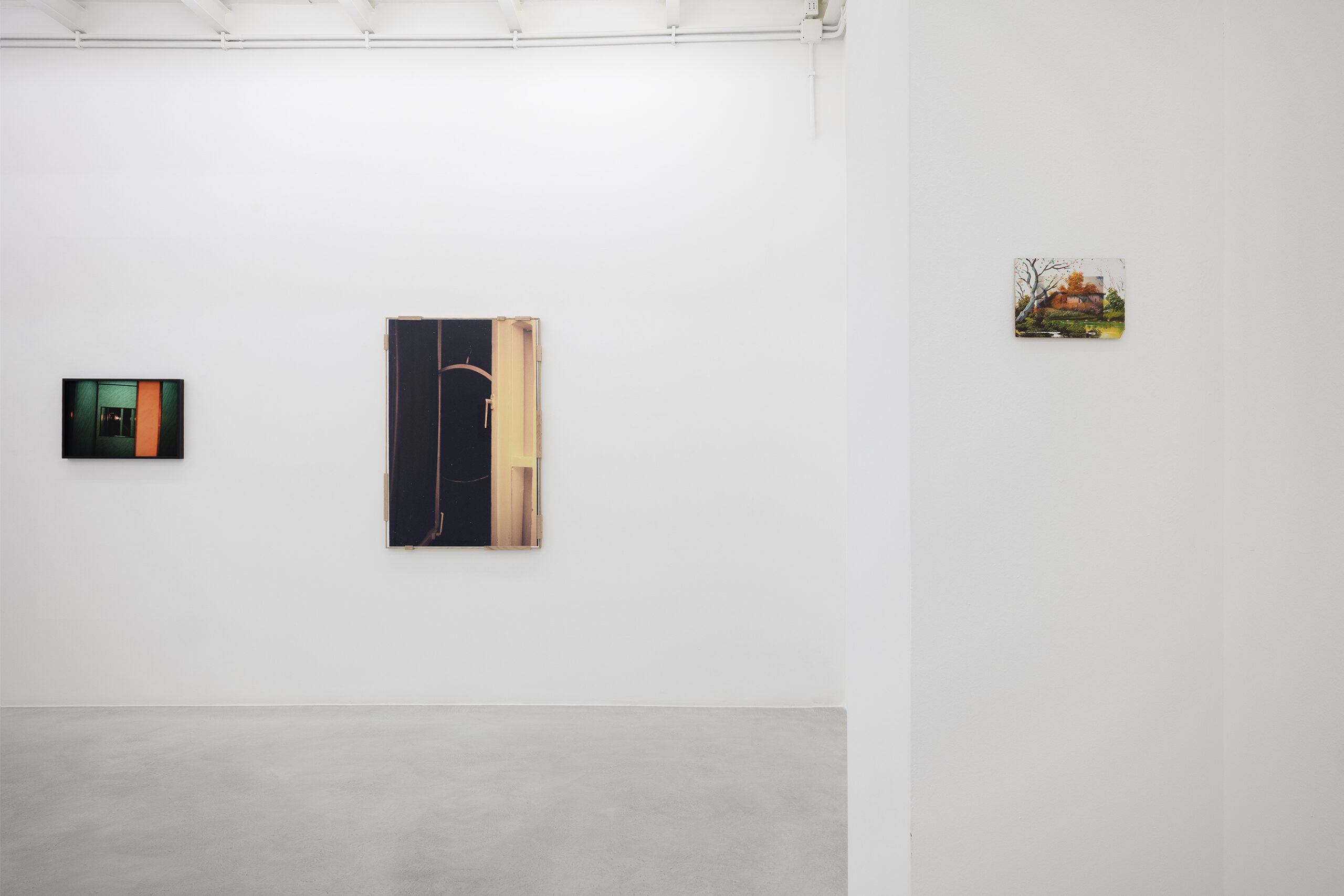
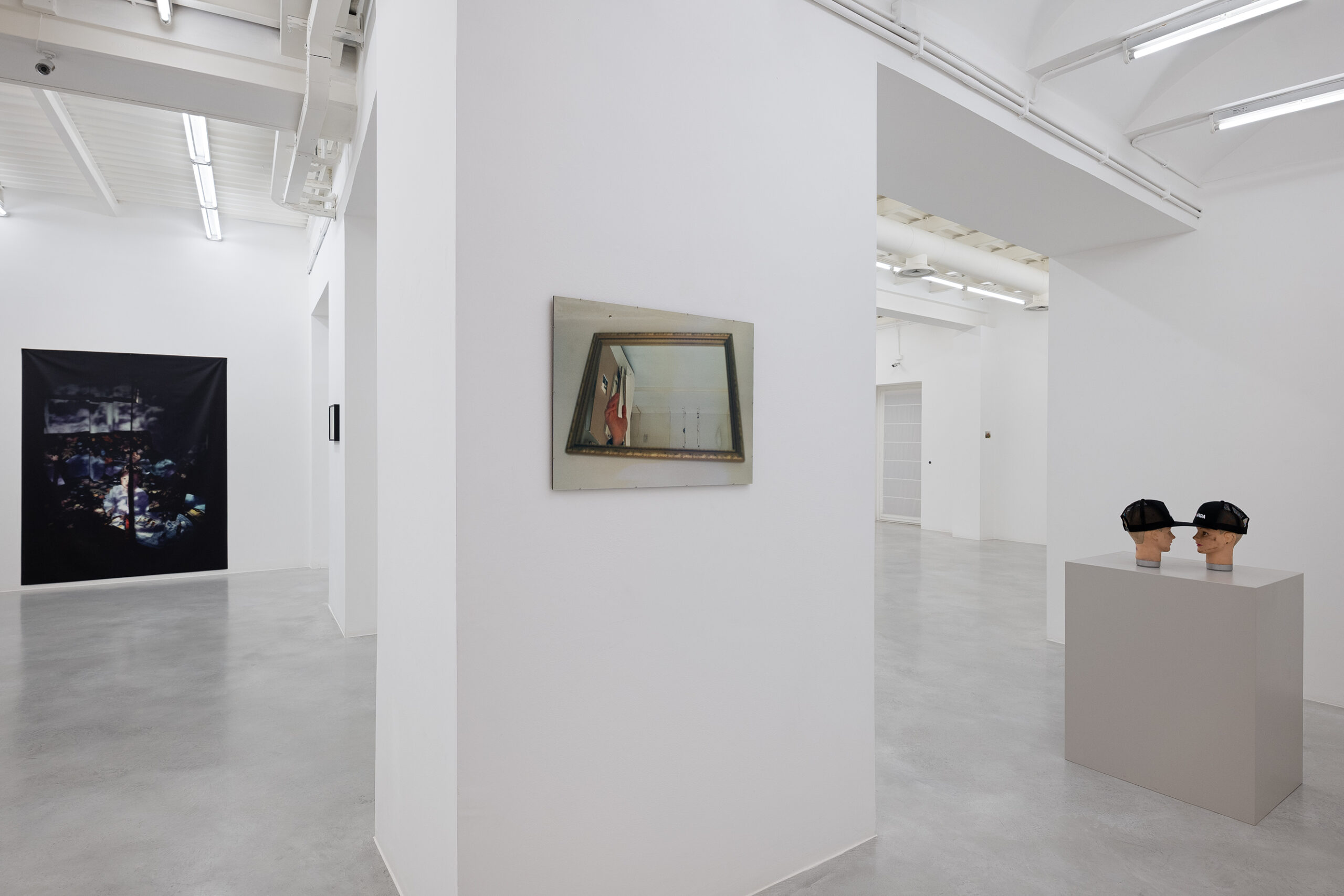
If every image is, in some way, a return, what returns is never exactly what was first seen. Between the world and its image there is always a gap: minimal, but enough to produce another reality. Here, photography, video, and sculpture transform ephemeral actions, memories, and presences into physical, spatial forms, opening thresholds between presence and absence, reality and imagination, control and accident, irony and drama. The gaze can then be understood as mechanism, habit, reflex, construction, and as a vocabulary through which to speak about perception, memory, body, and consciousness. It is within that gap that the exhibition takes shape: at the moment when the familiar cracks just enough to force us to look again.
We witness the artist, son of a theatre actor, performing a ritual of self exposure. Channeling, inhabiting an empty stage, as in Nōh, he is maskless like the role of a monk or pilgrim, offering only questions in response as he glimpses himself inside the void and reflects a vision back to us.
In his poem III. Mysteries of the future[1], Robert Pinksy writes:
«The sense that everything we make is mortal,
Or part of some continuing epitaph.
Our very sentences are like a cloth,
Cut shimmering from the the conventions of the dead–
Hung sometimes to flutter from a spar or gallant,
Nudged forward like the paper boats of candy
Launched for the gods downstream, in the future.»
[1] Pinsky, Robert. “III. Mysteries of the Future.” The Figured Wheel, First ed., Farrar, Straus and Giroux, 1996.